Mekong School

Welcome to the Mekong School


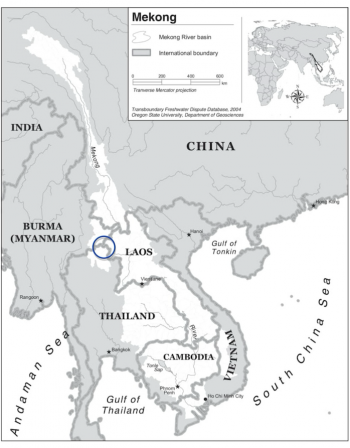
The Mekong School is in Chiang Khong District, Chiang Rai Province, Thailand. It is a community learning center, library, and public meeting space. It sits on the Thai shore of the Mekong along the 97km Thai-Lao border between Thailand’s Golden Triangle with Laos and Myanmar, and Kaeng Pha Dai rapids where the Mekong enters Laos.


Click here to visit the Mekong School website.

MS Naga Logo

The Last Tree


The One River Project grew from collaboration with the Thai community-based Mekong School. Mekong School was founded in 2014 to build upon two decades of work by the Chiang Khong Conservation Group. One of the first conservation, restoration, and youth development projects of Mekong School founders included de-escalating a water conflict between city people and Hmong immigrants by protecting the last trees and regrowing a forest feeding the headwaters of local creeks.

Responsive Video Example
MS location copy

Mekong Nature Camp


Almost 20 years later, Mekong School started a new initiative for traditional and ecological knowledge exchange between elders, researchers, and youth. The next generation of Mekong Youth reconnected with the river, and learned basic water quality testing. Mekong School founded Mekong-Lanna Waterkeeper as an affiliate of the international Waterkeeper Alliance.

Responsive Video Example

The First Exchange


In 2023, leaders from Mekong School and CRITFC Tribes met face to face for the first time to share Thai Mekong ethics of respect for Nature and respect for human equality, and what it means to be “salmon people” in the Columbia River basin. Mr. Niwat Roykaew is a founding Director of Mekong School. He was awarded the 2022 Goldman Environmental Prize and The Asia Foundation’s 2023 Distinguished Leadership Award for his facilitation of work linked to Mekong School’s networks. In 2023, Mr. Royakew met and talked with Native, Southeast Asian immigrant, and youth development leaders in the Columbia River basin.

Responsive Video Example

At the international level of complex issues it can feel impossible to make change. Three factors keep people motivated. Autonomy, meaning locally-driven work. Mastery, meaning knowledge and skill building over time. And purpose, being a part of something larger than yourself. Bringing people together from opposite sides of the world creates fertile ground for learning and collaboration. Becoming part of an international community provides an additional sense of purpose, it makes it feel possible and necessary to continue working for the benefit of all.


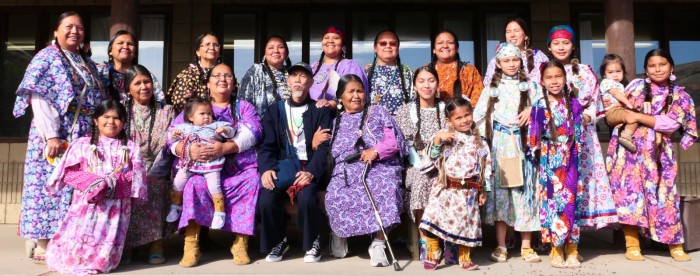
This photo of Director Roykaew with four generations of Rock Creek longhouse Yakama women hangs in the house of the Director of Mekong School, and in the longhouse or temple of this group of Native Americans – for that reason. The first exchange inspired leaders from both basins to plan for a Columbia-to-Mekong peoples’ technical, traditional, and youth development knowledge exchange. We invite you to join us on our websites, and to support the work of these local changemakers and global peacebuilders.

Longhouse small crop

Youth In Action


Thailand shares a border with Myanmar. Civil war has allowed unregulated mining for valuable rare earth minerals to spread in border regions – polluting tributaries to major rivers in both countries.

Responsive Video Example

In May, 2026, Mekong School’s Youth Water Protectors met with Thai national health department officials and international media. They demonstrated their water quality testing procedures, and explained the urgent need for a both a multi-national response to the public health crisis, and for effective global regulation of rare earth mineral supply chains.

Responsive Video Example

Columbia River people have experienced impacts from mega-projects, mining, and other pollution. They have developed strong organizations and strategies to share. The speed of change, and the cultural and political differences in the Mekong basin have created different ways of non-violent organizing and action. Big river people of both basins benefit from sharing their experiences.